








When Influencer Marketing No Longer Captures Market Reality
For over a decade, Southeast Asia has witnessed an explosion of KOLs, KOCs, Creators, UGC, Livestreamers, community voices, and social proof. These formats have evolved beyond mere communication support; they now directly dictate trust, intent, and purchase decisions across nearly every industry.
Despite this, the marketing industry has yet to correctly position People Media within the broader strategic framework. Most critically, organizations often lack the necessary components to nurture this trust sustainably over time.
Based on empirical observations, this article proposes a new perspective: People Media is the behavioral center of marketing in Southeast Asia, yet its value is only fully realized when the loop is closed by CRM & Loyalty Media.
Marketing as an Operating System, Not a Channel
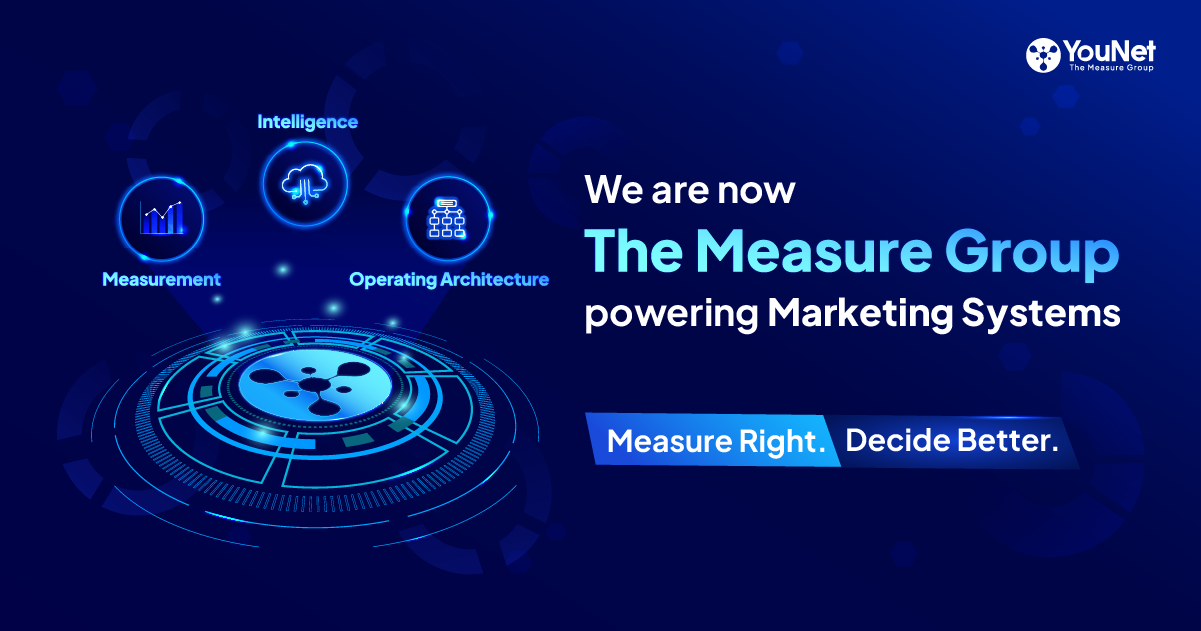
To avoid equating People Media with the narrow concept of Influencer Marketing, we must view it through a broader lens: People Media as a core component within a “Marketing Systems OS.” This systemic view is derived from practical market observations in Southeast Asia.
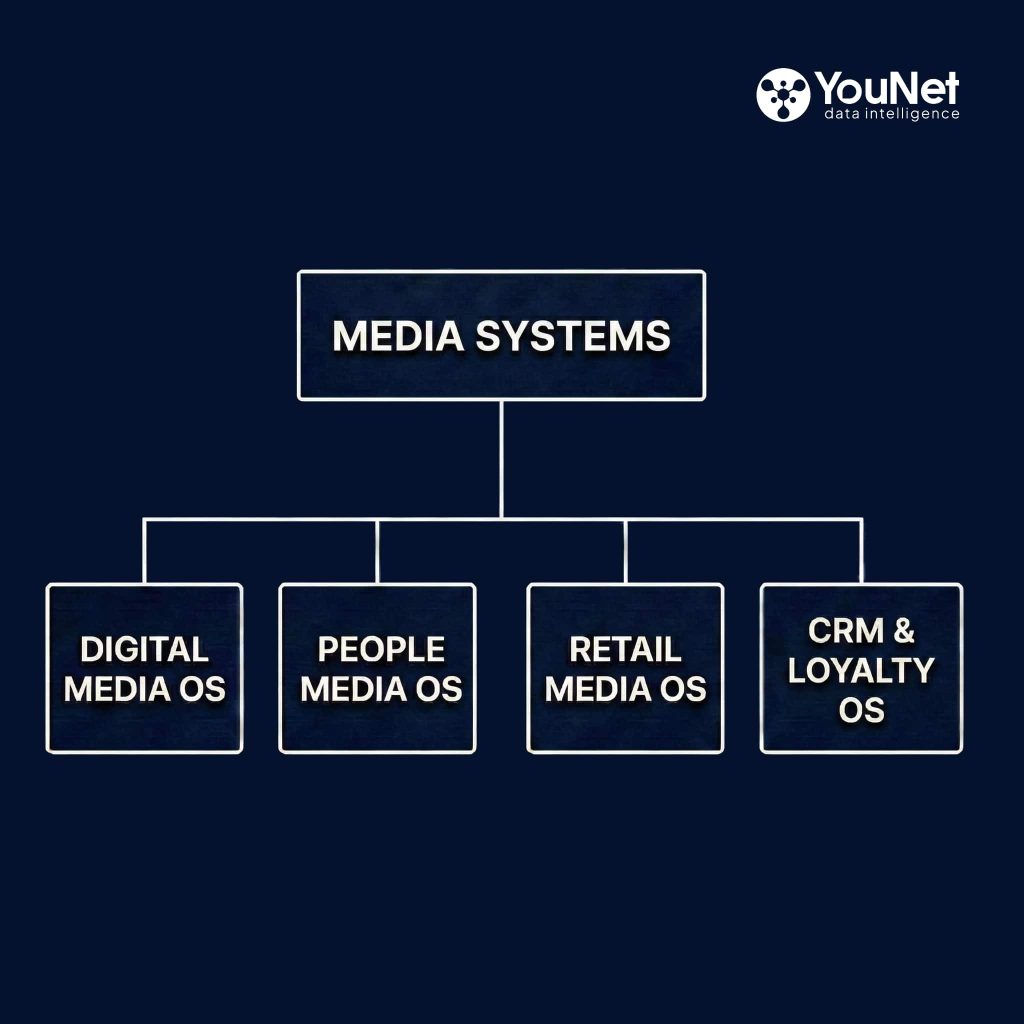
This system is composed of four core, mutually reinforcing engines:
First, Digital Media functions as an Awareness System. It relies on algorithms and bidding to capture traffic and attention.
Next, People Media serves as the Trust & Consideration System. Here, influence and content generated by real people build credibility and drive consumer evaluation.
Once trust is established, Retail Media emerges as the Commerce System. Its role is to capture purchase intent and convert it into revenue directly within the retail ecosystem.
Finally, to maintain Customer Lifetime Value (LTV), CRM & Loyalty Media acts as the Memory & Loyalty System. It preserves brand affinity through post-purchase engagement.
Defining People Media
People Media is a system of influence, content, and commerce generated by individuals rather than brands, publishers, or platforms. It has become the definitive behavioral center of marketing in Southeast Asia.
In this architecture, every individual functions as a “media node.” The content they create, the influence they wield, and the discussions they lead transform into independent media entities.
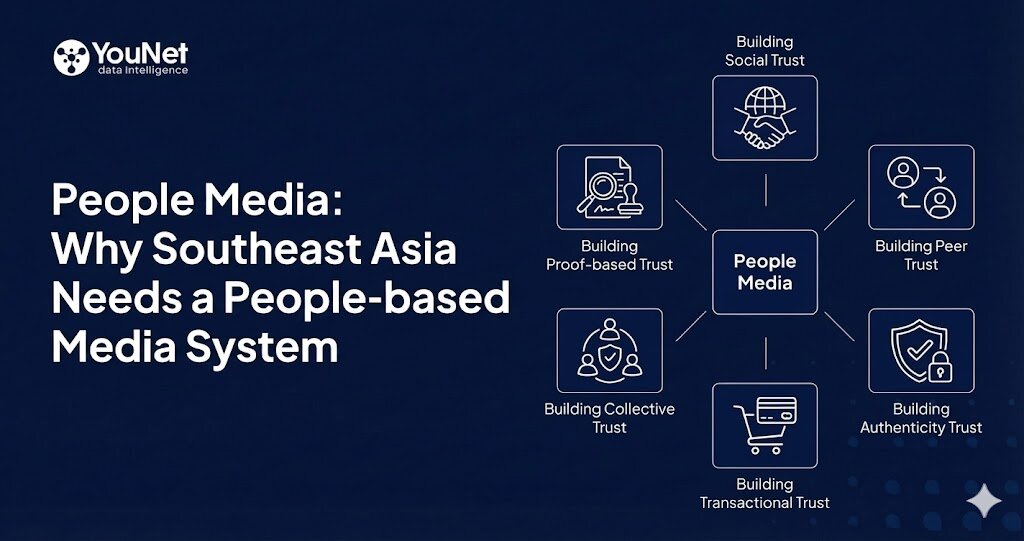
People Media extends far beyond KOLs. In the Southeast Asian context, it operates through six primary trust-building mechanisms, each reflecting how credibility is formed within society:
-
KOL / Influencers: Establishing Social Trust through reach and personal reputation.
-
KOC (Key Opinion Consumers): Generating Peer Trust via authentic consumer experiences.
-
UGC / Everyday Creators: Building Authenticity Trust through non-promotional, relatable content.
-
Livestreamers: Facilitating Transactional Trust through real-time interaction.
-
Community & Advocacy: Cultivating Collective Trust through group-based decision-making.
-
Reviews & Social Proof: Providing Proof-based Trust through verified experience.
These mechanisms do not replace one another. They coexist and integrate to form the unique “Trust Engine” of Southeast Asia.

Regional Propagation Mechanics
The most significant distinction of People Media in Southeast Asia compared to Western markets lies in the intersection of three distribution models.
Beyond Paid (controlled messaging) and Organic (spontaneous discussion), Southeast Asia is particularly dominant in Semi-Paid models. Mechanisms such as gifting, affiliate marketing, and livestream boosting allow brands to trigger propagation, while the community and algorithms determine the ultimate scale of the impact. This Semi-Paid engine is what makes People Media in this region significantly more effective than in other markets.
The Necessity of CRM & Loyalty Media
While Digital Media often concludes at the traffic stage and Retail Media at conversion, People Media triggers social amplification through sharing and community engagement.
However, People Media alone is insufficient to build long-term brand equity. The missing link is CRM & Loyalty Media.
CRM & Loyalty Media is the system of post-purchase communication and interaction designed to maintain memory, relationships, and customer lifetime value. It does not focus on creating new reach or initial trust; its core role is to transform existing trust into a long-term relationship and to convert customers into a new generation of People Media.
Conclusion
Modern marketing architecture in Southeast Asia requires the synchronized coordination of four engines: Digital for reach, People for trust, Retail for revenue, and CRM & Loyalty for memory.
People Media ensures a brand is trusted. CRM & Loyalty Media ensures that trust does not dissipate after the campaign ends.